TS Namdhari Journal
Dressing for Maghi in Muktsar: Punjabi Heritage and Winter Practicalities
Choose a comfortable Maghi outfit by planning for the actual venue, travel, temperature, and hours you will spend with family.
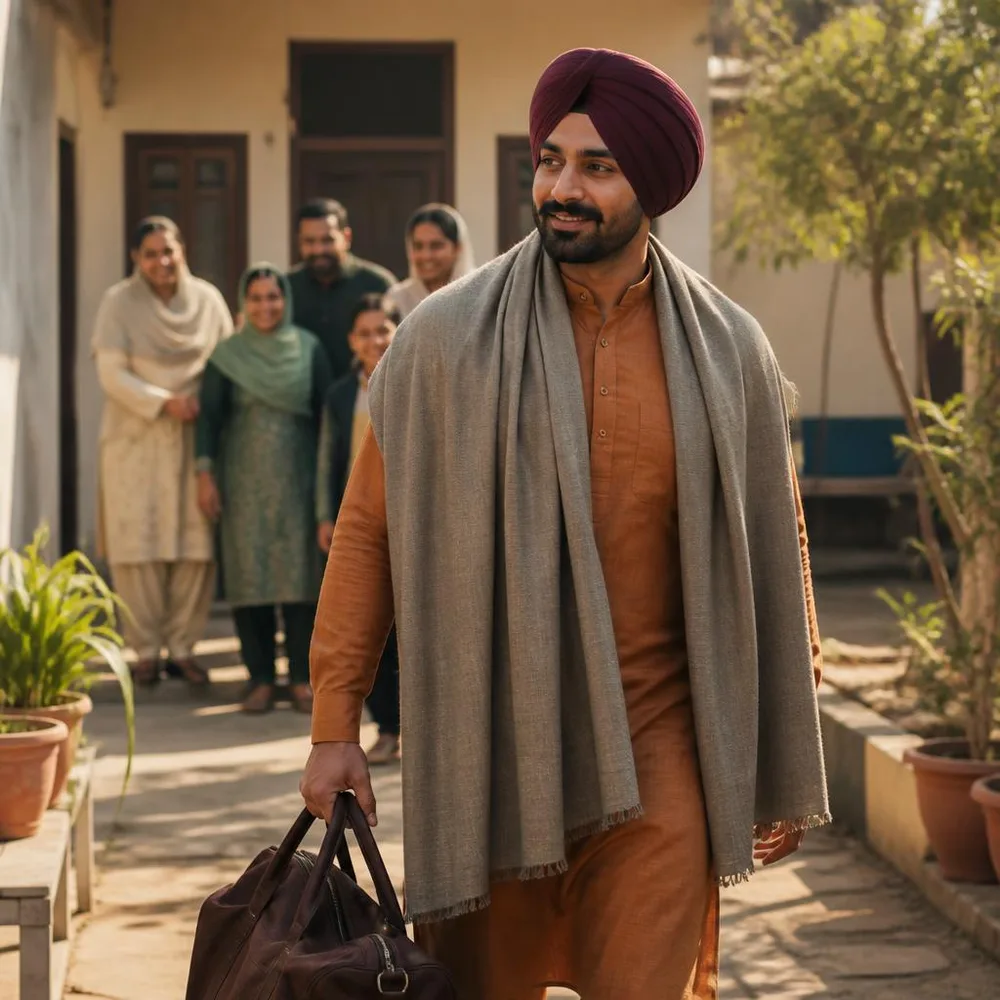
A Maghi visit in Muktsar may mean travel, family greetings, time outdoors, and a long stretch of standing or sitting. The right outfit depends on the plans for that particular day—not on a universal dress rule. Start with the host’s guidance, the weather forecast, and the places you expect to go; then choose a kurta pajama that feels like you.
Plan for the whole visit
Think beyond the arrival photograph. Will you be moving between home and an outdoor space? Will you sit on a chair, on a low seat, or travel by car for some distance? Will you be outside after sunset? A kurta that works for those moments is more useful than a dramatic layer that looks good only while standing.
Build warmth without losing ease
Use layers you can add or remove. A soft shawl or outer layer can help in cooler air, but check how it sits over the kurta and whether it stays secure while walking. Test the outfit with the layers you plan to wear. Do not assume a particular cloth is warm, breathable, or easy-care unless its composition and care instructions are known.
Choose colour for your own reasons
Family photographs often mix generations, homes, and personal preferences. Ask the host whether there is a requested colour palette, then decide what suits your complexion and wardrobe. There is no need to assign fixed symbolism to every colour. A thoughtful combination of kurta, pajama, footwear, and shawl can feel festive without becoming costume.
Respect local and family expectations
Event practice can vary by household and community. If you are attending a gathering with customs you do not know, ask the host what would be comfortable and appropriate. This guide is practical clothing advice, not a history of Maghi or a statement of religious dress rules. The wearer’s comfort and the organizer’s guidance come first.
If you are considering a Muktsari style kurta, compare the desired shape with the existing TS Namdhari silhouette guide. Keep the final choice grounded in your own plans for the day.
Before leaving
Check the weather, test your layers, and make sure the kurta allows you to sit, walk, and greet people comfortably. Ask the host if you are uncertain about the venue or dress expectations.
Plan around the real route
“Dressing for Maghi” can mean different things depending on how the day is arranged. One family may spend most of the time indoors; another may travel between homes or remain outside for part of the visit. Ask the host what the plan looks like and check the forecast for the hours you will be out. A single heavy outfit is not automatically warmer or more comfortable than a base layer plus a removable shawl or jacket.
Think through the route from door to door: the car or bus, the walk from parking, the footwear surface, and the time spent waiting or greeting people. If you expect to stand for long periods, make sure the kurta does not pull at the shoulders or bunch at the waist. If you will sit on lower seating, test the hem and pajama length in that position before leaving.
Choose layers that work together
A shawl can add warmth and a familiar Punjabi detail, but its weight and drape should suit the wearer. Test it over the kurta and see whether it stays secure while walking and greeting. If you need your hands free, choose a way to carry or pin the layer that is safe and comfortable. Do not rely on a pin placed where it might catch the garment or skin.
Keep the colour decision personal. A warm rust, deep green, cream, or blue can all work, but none should be treated as the required Maghi colour. If the host has asked guests to coordinate, use that information. Otherwise, the wearer can choose a tone that feels connected to family memory or simply works with the rest of the wardrobe.
Ask about the setting rather than assuming a dress code
Event expectations may differ by household, venue, and community. If you are a guest and do not know the local practice, ask the host what would be comfortable. Do not present a style guide as a source of religious instruction. This article is about practical clothing decisions and makes no claim about Maghi’s history, rituals, or rules.
Make the outfit easy to wear
- Try the full outfit with footwear and layers.
- Check seated comfort and the ability to move arms freely.
- Carry a spare button or small repair item if useful.
- Keep the plan flexible if the weather changes.
For a fuller Muktsari silhouette, the TS Namdhari style guide can help you describe the line you prefer. The final outfit should suit the actual visit and the wearer’s own sense of heritage, not a template imposed from outside.
Prepare for the hours around the main gathering
People often plan only for the time at the venue and forget the journey, waiting, and return home. Keep an extra layer in the car or bag if the weather may turn colder, and make sure it can be worn over the kurta without pulling across the shoulders. If elders or children are travelling, ask what would make the route comfortable for them. A spare shawl is useful only if the wearer can manage it easily.
Choose footwear for the actual surface. A courtyard or outdoor lane may be uneven, so avoid a pair that makes the wearer worry about every step. Check that the pajama length clears the footwear and does not drag. These small decisions can make a long visit feel far less tiring.
Keep the garment ready without over-treating it
Try the outfit a day or two ahead if possible, including the planned layers. Check buttons and seams, and make sure the garment has aired after any cleaning. Follow the known care guidance for the cloth; do not iron an unknown fibre at a high temperature because it looks creased. Ask the tailor if a care label is missing and the material is uncertain.
If the visit includes photographs, set aside a clean place to hang the kurta and keep food or tea away from it while getting ready. These are ordinary preparations, but they help protect a garment that may be kept as a family memory after the day.