TS Namdhari Journal
Men’s Lohri Dress: A Muktsari Kurta Pajama for a Punjabi Gathering
Build a Lohri look around warmth, movement, and the host’s plans, with a kurta pajama that feels festive without relying on costume.
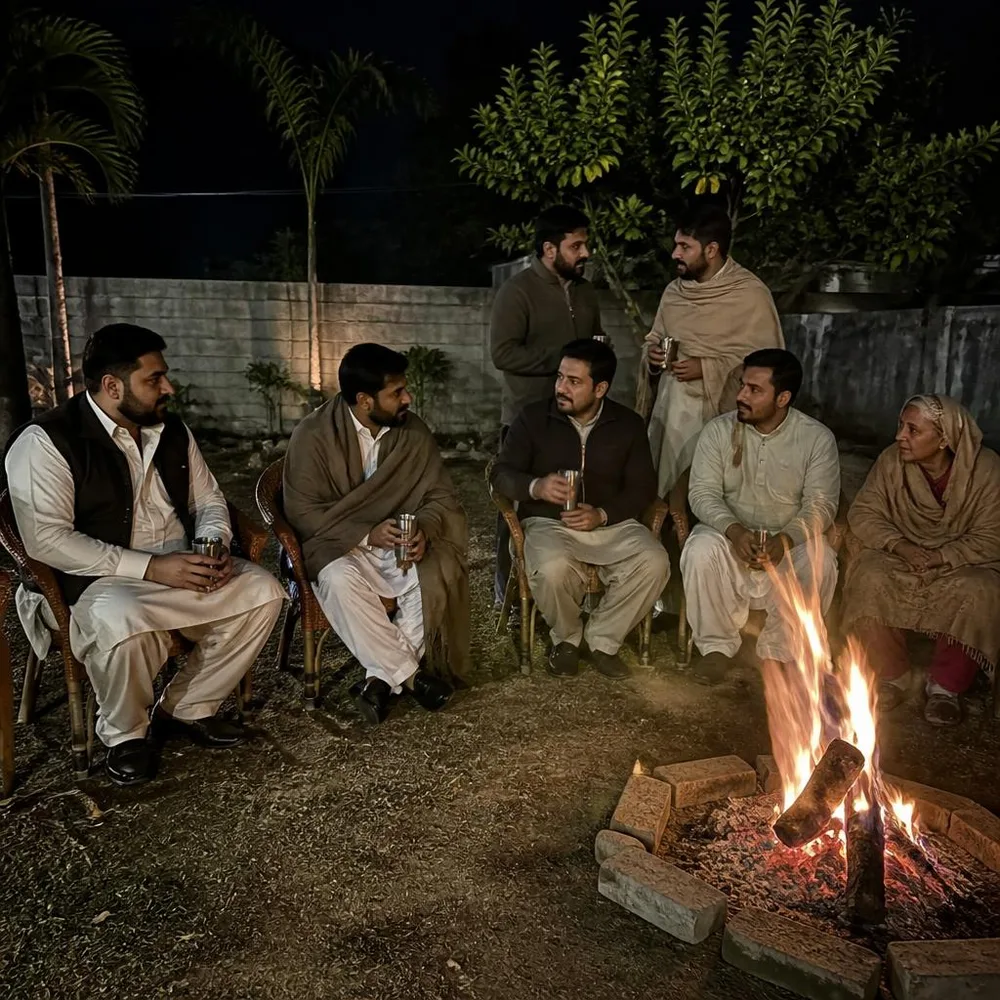
A Lohri gathering can move between the warmth of a home and the cooler air outside. That change is the first styling decision to solve. A Punjabi kurta pajama can feel celebratory while remaining easy to wear, provided the wearer can sit, move, and add a layer when needed. The best choice depends on the event and family, not on a rule that every man should dress the same way.
Start with the setting
Ask the host whether the gathering is indoors, outdoors, or both. Consider how long you may be outside and whether you will be helping with seating, serving, or greeting relatives. A lighter kurta with a removable warm layer may be more practical than a heavy outfit that becomes uncomfortable indoors.
Use one clear focal point
Choose either a distinctive colour, a textured layer, or a restrained accessory as the main feature. When every element competes, the outfit can feel more like a stage costume than personal dress. A fuller Muktsari style kurta already has presence through its proportion; the rest of the outfit can stay simple.
Check movement before the evening
Try the kurta with the pajama and footwear you intend to wear. Sit down, reach, and walk. If you will be near a fire, keep loose fabric and long scarves under control and follow the host’s safety guidance. These are practical precautions, not claims about a particular Lohri ritual.
Keep the family story personal
Some people dress in a way that recalls a parent or grandparent; others choose something new. Both can be meaningful. If a family detail matters, incorporate it deliberately—perhaps through a familiar colour or a saved accessory—rather than assuming every Punjabi household shares the same custom.
For silhouette ideas, see the TS Namdhari Muktsari kurta pajama guide. Ask the event host about any requested dress palette, and confirm fabric and care details with the seller or tailor.
Quick questions
Is there one correct Lohri outfit? No. Follow the host’s guidance and choose clothing that suits the gathering and wearer.
Can a traditional look still be understated? Yes. Let fit and proportion do the work, and keep additional details intentional.
Dress for the gathering, not only the bonfire photo
Before choosing a Lohri outfit, ask where the gathering will happen and how the evening is likely to unfold. A courtyard, an indoor celebration, and a venue with a fire all call for different practical choices. Check with the host about the plan and any requested palette. Then decide what will remain comfortable after the first photograph, when people are seated, moving around, or spending time outdoors.
If a bonfire is part of the event, follow the organizer’s safety directions and keep loose cloth, long scarves, and decorative pieces well away from flames. The person wearing the outfit should be able to manage any shawl or layer easily. This is a safety consideration, not a description of how every household celebrates.
Build a warm look in removable layers
A kurta pajama is a base for the outfit, not necessarily the only layer. A waistcoat or jacket can make the look more formal; a shawl can add warmth and a softer line. Try each layer with the garment before the event. Check that the collar is comfortable, sleeves do not bind, and the outer layer does not catch on the kurta’s fuller shape.
For colour, choose one central idea. A warm accent may feel seasonal, but the rest of the look can remain quiet. If you choose a patterned or textured layer, keep the kurta and accessories simple enough that each element can be seen. The goal is a personal Punjabi outfit, not a costume made from every festive cue at once.
Let the wearer decide how traditional to feel
Families do not all share one dress practice. Some people may prefer a familiar garment worn every year; others may want a new Muktsari kurta for a particular occasion. Ask the wearer what they want to repeat and what they would like to change. A grandmother’s shawl, a remembered colour, or a particular silhouette may hold a family story, but only the people involved can say what it means.
Plan for the full evening
Check the weather, choose footwear for the venue, and try sitting and walking in the completed outfit. If the event includes a long drive, consider how the kurta will crease and whether the wearer can adjust layers comfortably. Ask the host about any special arrangements rather than assuming a dress code.
For guidance on the kurta’s proportions, see the TS Namdhari Muktsari guide. No single outfit is right for every Lohri gathering; the best choice works for this family, this venue, and this wearer.
Coordinate the family without copying every outfit
If family photographs are planned, choose a shared accent rather than requiring every person to wear the same shade and cut. One person may add a warm scarf, another a waistcoat, while others keep their outfits simple. Ask children and older relatives what they can comfortably wear for the whole evening. A coordinated photograph feels more natural when people still look like themselves.
Set aside time for dressing and check the final outfit near the event. If you are wearing a new kurta, avoid first trying it on minutes before guests arrive. Confirm that the chosen underlayer works, that buttons are secure, and that the wearer can sit and move without adjusting the garment constantly.
Respect the setting
When the event includes an outdoor fire, follow the host’s instructions about where to stand and what is safe to wear nearby. Keep loose ends and synthetic layers away from heat. If the event is indoors, the main practical issue may be warm rooms and crowded seating instead. Ask the host about the actual setup rather than assuming that every Lohri gathering follows the same format.
Make the evening easier for every guest
If the gathering includes children, elders, or guests with different comfort needs, think about seating, warmth, and a quiet place to adjust a layer. An outfit should not prevent someone from joining the celebration. If the wearer has a sensory preference about fabric or a concern about loose edges near heat, take that seriously and choose another layer or garment.
Before leaving, check the actual plan with the host. An indoor gathering may not need the same warmth as a courtyard event, and a family may have its own preferred level of formality. The best preparation is specific to that evening, not based on a generic festive checklist.