TS Namdhari Journal
Outdoor Punjabi Family Functions: Choosing Comfortable Dress for Long Hours
Choose a kurta pajama for an outdoor family function by considering shade, seating, movement, forecast, and the full length of the day.
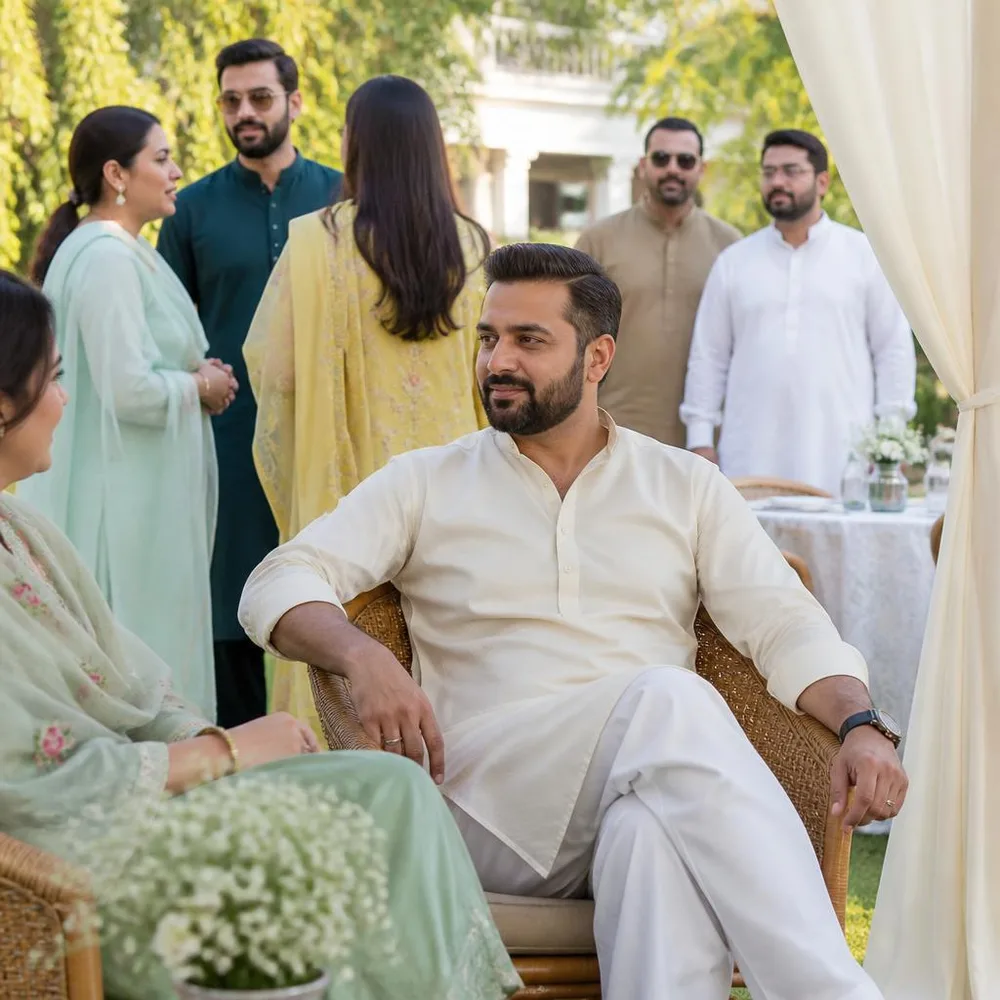
An outdoor family function can begin in bright afternoon light and continue into cooler evening air. The outfit needs to work through both. Before choosing cloth or colour, think about the venue, the hours you will be there, and what you will do: travel, greet relatives, sit for a meal, or move between locations. That practical brief leads to a better choice than dressing for one photograph alone.
Read the venue
Ask whether the gathering is on grass, a paved courtyard, or a covered terrace. Check whether there will be chairs and shade. These details affect footwear, hem length, and whether a long outer layer will be convenient. If the organizer has a dress palette, follow it; otherwise, choose a colour you will enjoy wearing beyond the event.
Consider comfort across changing temperatures
Use a removable layer rather than relying on a single heavy garment. Ask about the cloth’s composition and care from the seller or tailor; do not infer fibre or breathability by touch alone. If the event runs late, bring a layer that works with the kurta and can be removed easily when you move indoors.
Test sitting and movement
Try the complete outfit with the intended footwear. Sit on a chair and a lower seat if that is likely, walk up a few steps, and reach forward. Check that the kurta’s fullness does not catch on the chair and that the pajama hem stays clear of the ground. A comfortable Muktsari style kurta should let the wearer move naturally.
Keep the look personal
A family function is not a uniform. A simple kurta can feel formal with a well-chosen layer; a more expressive piece can be balanced with quieter accessories. If the event connects to a family memory, choose one personal detail and let it carry the story without adding unnecessary embellishment.
For a local tailoring comparison, use the existing Zirakpur guide. If you are considering TS Namdhari Tailors, confirm current services and schedule directly; the Journal’s Muktsari style guide can help with silhouette ideas. Good planning makes the gathering easier to enjoy.
Day-of checklist
Check the forecast, bring a removable layer, test the outfit while seated, and keep a small cloth brush or spare button if useful.
Read the venue before choosing the outfit
An outdoor function can mean a lawn, a courtyard, a covered terrace, or a long walk between locations. Ask the host what the surface and schedule are like. If the event is partly outside, check whether there is shade or seating and how much time the family expects to spend standing. Those details affect the practical choices more than the label “outdoor function.”
Look at the weather close to the day and plan a layer that can be removed. If the forecast may change, keep a light shawl or jacket available rather than choosing a heavy base garment. For sun, the wearer may prefer a breathable layer and a simple head covering, but comfort and personal preference should guide that choice. Do not assume a particular colour or garment is expected unless the host says so.
Test walking, sitting, and getting up
Try the full kurta pajama with shoes before the event. Walk at a normal pace, sit on the kind of chair or bench likely to be used, and stand again without pulling at the hem. If the gathering includes low seating, test that too. A garment can look excellent in a mirror but feel restrictive during the real activities of the day.
Check the pajama length against the ground and the chosen footwear. A hem that is comfortable indoors may catch on grass or a step outside. If the outfit includes a shawl, practice carrying it while greeting people or holding a plate. The wearer should not have to manage several loose items while moving through a busy space.
Prepare for photographs without dressing only for them
Take one quick phone photograph in the actual light if possible. It can help spot a colour that blends into the background or a layer that overwhelms the kurta. But the camera is only a check; the garment should remain comfortable after the photographs are over. If family members are coordinating outfits, let them share colours rather than imposing identical designs.
Keep a small practical kit
Depending on the event, a spare button, a clean handkerchief, and a way to protect the garment from a light drizzle may be useful. Avoid bringing pins or adhesives that could damage cloth unless the wearer knows how to use them safely. Ask the host whether there is a place to set down a shawl or bag.
For the garment’s silhouette, the TS Namdhari Muktsari guide can help describe the line you prefer. For comfort at the function, test the actual outfit against the actual plan.
Prepare for changes in weather
If rain is possible, ask whether the venue has covered areas and how close the parking is. Protect the kurta during travel with a clean garment cover, then remove the cover before wearing so moisture does not remain trapped. If the day is hot, avoid leaving the outfit in a closed vehicle. These practical steps help prevent avoidable marks and wrinkles without changing the design.
For an event that moves between indoor and outdoor spaces, pick a layer the wearer can carry comfortably. Check how it looks folded over an arm and whether there is a safe place to put it down. A heavy shawl that is perfect for a photograph may be inconvenient after an hour of walking.
Coordinate with the host
Ask whether the family expects formal clothing or a relaxed outfit, whether there is a requested colour, and whether the event includes a special entrance or group photo. Keep those answers separate from assumptions about what Punjabi families generally wear. A direct question gives the host room to explain their own plan.
Before leaving, confirm travel time and a simple backup layer. Once there, focus on enjoying the function rather than repeatedly checking whether the outfit photographs perfectly.