TS Namdhari Journal
Punjabi Menswear for Senior Men: Ease, Comfort, and Dressing Practicality
Choose a Punjabi kurta pajama with the wearer’s preferences at the centre, testing comfort while seated, standing, and moving through the day.
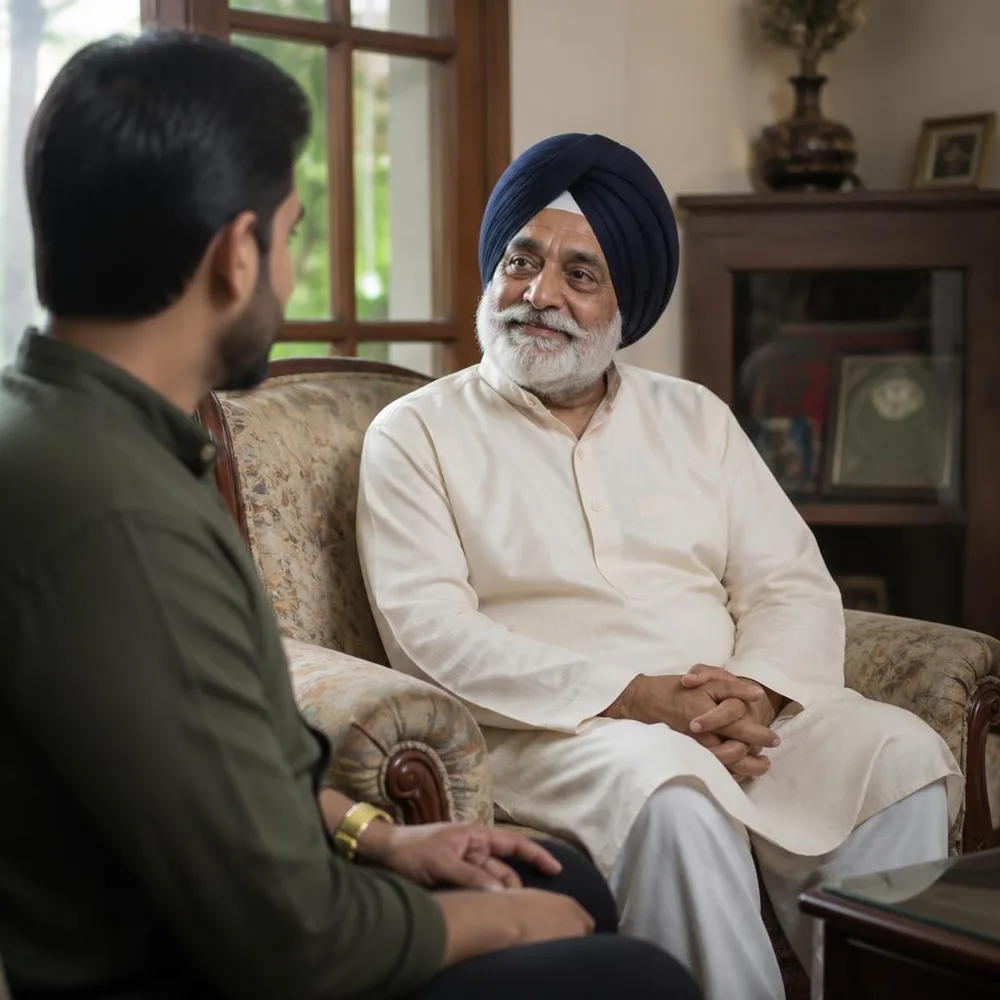
The best outfit for an older family member is the one he wants to wear and can wear comfortably. Age alone does not determine style, fit, or ability. Start by asking the wearer what he likes, what feels difficult, and what the day will involve. That conversation matters more than assumptions made on his behalf.
Test the garment in the positions that matter
Try the kurta while standing and seated. Check whether the collar feels comfortable, the sleeve allows the arm to move, and the hem falls as the wearer prefers. If he uses a walking aid or expects to sit for long periods, ask him what clothing details help or get in the way. Do not introduce medical claims; this is a clothing conversation led by the wearer.
Make fastening simple by choice
Buttons, cuffs, and closures can be discussed with the tailor if the wearer finds them inconvenient. Consider a familiar opening, easier reach, or a slightly different sleeve finish, but do not change a person’s style without consent. Ask whether the proposed design is practical for the specific garment and cloth.
Keep dignity and personal style
A senior man may enjoy the fuller line of a Muktsari style kurta, a plain classic shape, or a jacket layered over the set. None is more appropriate simply because of age. Let him choose the colour and degree of formality. If the garment refers to a family memory, ask which detail carries meaning for him.
Include enough time for a fitting
Plan the visit around the wearer’s energy, transport, and comfort. Bring shoes or a layer that will be worn with the outfit. A family member can help take notes, but the wearer should remain central to approvals. If he prefers not to travel, ask the tailor what options are available instead of assuming a service.
The existing TS Namdhari kurta guide can help the family discuss silhouette. Above all, choose clothing that supports the wearer’s own routine and taste.
Family checklist
Ask before changing fit; test sitting and movement; confirm the event; and write down the wearer’s preferences in his own words. Comfort is personal, not a measurement on a chart.
Let the wearer describe comfort
Comfort is personal. One older man may prefer a familiar fuller kurta; another may want a lighter, simpler garment. Ask what he enjoys wearing and what he would like changed. Avoid deciding on his behalf because of his age. If he has a trusted existing kurta, use it as a conversation starter: ask what feels good about the shoulder, collar, sleeve, and length, and what causes irritation or restriction.
Give the wearer time to answer and choose who should join the consultation. A relative can share practical observations, but the wearer’s preferences should lead. If measurements or fittings are tiring, ask the tailor whether the appointment can be paced or whether another arrangement is available. Do not promise a service option until the atelier confirms it.
Make dressing steps easy to discuss
Closures, sleeve openings, collar height, and fabric weight all affect how a garment feels to put on and take off. Ask whether a chosen closure can be managed comfortably and whether a plainer design would be easier. A tailor can explain construction possibilities, but should not be asked to make medical judgments. If a movement or dressing concern relates to health, the wearer can decide whether to seek advice from a qualified professional.
Try the outfit seated as well as standing. Check whether the hem catches under the body, the waistband feels comfortable, and the sleeve remains easy to use. If the wearer uses an assistive device or needs help from a carer, ask permission before discussing these details and let him determine what information is shared.
Choose a practical cloth and care plan
Ask the tailor to describe the known fabric’s weight, feel, and care needs. If the fibre content is unknown, do not rely on a generic internet washing instruction. Consider how often the garment will be worn and whether it must work through changing seasons. A simple design that is easy to care for may be more useful than a heavily embellished piece that stays in the wardrobe.
Carry a memory without making it a costume
A family may want a familiar collar, colour, or Muktsari proportion that the wearer has preferred for years. Include that history if he wants it included. A legacy garment does not have to reproduce an old photograph exactly; it can preserve one detail while adapting the fit to the present wearer.
Use the TS Namdhari guide to Muktsari style for silhouette questions. The right measure of success is whether the wearer feels like himself and can use the garment comfortably.
Support independence during fitting
Ask the wearer how he would like the fitting to work: who should be in the room, whether he wants to dress himself, and what kind of help is welcome. Do not assume a relative should answer for him. If he wants assistance, agree on a simple way to pause or change the plan. This keeps the fitting focused on clothing while respecting privacy.
Give enough time for him to sit, stand, and move at his own pace. Avoid pulling at the garment while it is being worn. If he describes a tight area, ask him to point to it and explain when it occurs. A tailor can use that feedback to discuss a construction adjustment, but should not interpret it as a medical diagnosis.
Keep a record the wearer controls
With his permission, keep notes about the preferred length, collar, closure, and any fabric that felt unpleasant. Ask whether he wants those notes shared with another tailor or family member. A useful fit record can make later orders easier, but it belongs to the wearer and should not be circulated without consent.
When the garment is finished, let him decide whether he wants to show it to family or keep the fitting private. Comfort includes the experience of choosing, not only the feel of the cloth.