TS Namdhari Journal
Punjabi Stage Wear: A Muktsari Kurta Pajama for Bhangra Performance
Plan stage-ready Punjabi menswear around movement, lighting, and the performer’s own comfort—not just how a garment looks at rest.
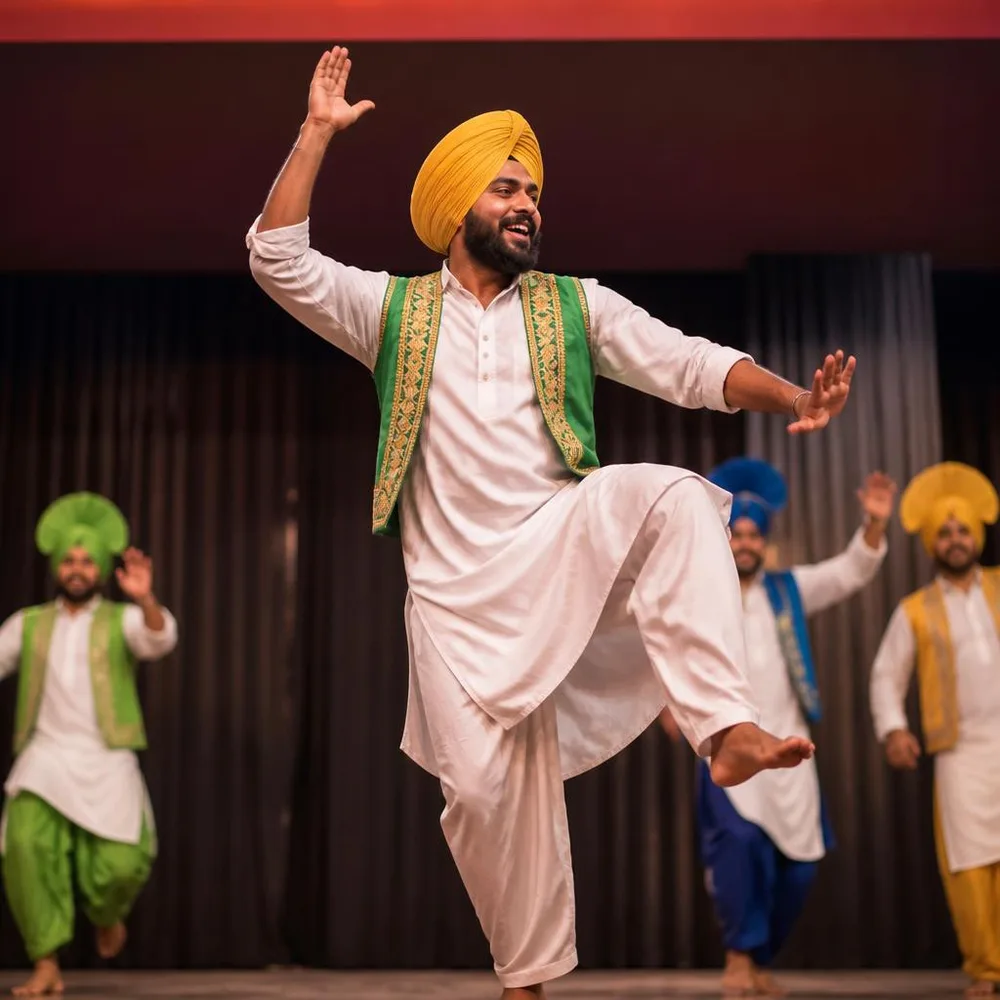
A stage outfit has a job beyond looking good in a still image: it must move with the performer. For bhangra, that means the wearer should test the full range of steps, turns, and arm movements before the event. A Muktsari kurta pajama can have generous movement and a strong silhouette, but the final choice depends on the dancer, choreography, venue, and personal preference.
Rehearse in the garment—or a close equivalent
Try a few minutes of practice in the intended outfit. Reach overhead, swing the arms, turn, bend, and check whether the hem or sleeves catch. Make sure the pajama allows the performer to move naturally and that the footwear is safe for the stage surface. If the garment is new, do not wait until show day to discover a restriction.
Balance visual impact with control
Stage lighting can flatten colour or make reflective details appear stronger than expected. Ask the event organizer about lighting and group costume plans. Choose a clear focal point—a colour, a restrained trim, or a coordinated team detail—rather than stacking multiple competing elements. If the group is wearing a shared palette, agree on the exact shade and detail in advance.
Keep embellishment secure
Anything loose or sharp can distract or create a hazard during performance. Ask the tailor how a proposed detail is attached and test it during rehearsal. Avoid relying on pins or temporary fastening for an active performance unless the costume lead has approved it.
Fit the dancer, not a standard chart
Performers differ in height, build, movement style, and comfort. The garment should reflect the wearer rather than forcing each dancer into identical proportions. If a custom order is planned, communicate the performance date early and ask the tailor to confirm a realistic schedule; this article does not promise availability or delivery timing.
For a reference to the kurta silhouette, visit the TS Namdhari Muktsari style guide. The performance should remain the focus: clothing supports the dancer; it does not replace practice.
Stage checklist
Test the full outfit in rehearsal, inspect closures, confirm footwear, and bring a small repair kit approved by the costume lead. Ask the organizer about stage conditions in advance.
Start with movement, not a still photograph
Stage clothing has to work while the performer moves. Ask the dancer or group leader which movements the routine includes and whether the outfit must accommodate jumps, turns, raised arms, or floor-level steps. Try those movements in the complete garment during a fitting. A kurta that looks balanced while standing may catch at the shoulder or ride up when the performer reaches overhead.
Keep the stage floor and footwear in mind. The lower garment should not trail or snag, and any loose edge should be checked during practice. If the performance includes a fast change, confirm that the closure can be managed quickly and comfortably. Do not add pins or accessories that could come loose during a routine.
Coordinate as a group without losing fit
A troupe may want a shared colour or silhouette, but performers still need individual measurements and ease. Set the common visual choices first—perhaps a palette, neckline, or border—then let the tailor adjust proportions for each dancer. If there are several performers, keep one approved reference and label each person’s fit notes so details do not get mixed up.
Ask whether the lighting will be warm, cool, or changing. Highly reflective trim can look very different under stage lights and may distract from movement. A sample or test photo under similar light is more useful than guessing from the shop floor. If an emblem or group name is requested, approve its size and placement with every performer who will wear it.
Think about heat and duration
Dance can be physically demanding. Choose a fabric and layering plan that the performer can tolerate for the duration of the event. There is no universal fabric recommendation without knowing the cloth and the venue; ask the tailor to explain the options and test the outfit during rehearsal. Keep a change of clothing or a light layer available if the performer wants one.
Protect the garment between performances
After the show, let the outfit air according to the known fabric care instructions and store it without crushing decorative areas. Keep accessories together in a labeled pouch. If the costume is used by a group, record which performer wears which size and inspect fastenings before the next event. Ask the tailor before repairing any delicate trim yourself.
A Muktsari style kurta can create a distinctive stage line, but performance needs should guide its construction. The TS Namdhari guide can help with the silhouette discussion; the dancer’s movement test should make the final decision.
Use rehearsal as the final fit test
Do not rely only on a fitting-room check. Have the performer wear the outfit during a rehearsal that resembles the actual routine, including the planned footwear and accessories. Watch for a sleeve that twists, a hem that catches, or a closure that loosens. The performer should be able to report discomfort without being told to “get used to it.” Fixes should be discussed with the tailor before the performance.
If the outfit is shared between performers, label it and inspect it after each use. A costume that fits one dancer may not fit another safely or comfortably. Do not exchange garments between performers without checking length, waist fit, and closures. Keep spare fastenings and a repair kit with the group, but avoid emergency alterations that could damage the garment.
Agree on who is responsible for storing and transporting the outfit. Fold decorative pieces carefully and keep them away from damp or food. After the performance, follow the care advice for the known fabric and arrange repairs before the next event.
Ask performers for feedback after the show
After the performance, ask each dancer what worked and what distracted them. Note whether the garment stayed in place, whether the layers felt too warm, and whether any trim caught during movement. Make the feedback optional and specific; a performer may not want to discuss body-related details in a group. Use the notes to refine the next order, not to criticize the person who wore the garment.
If the same outfit will be used again, inspect it before storage and repair loose fastenings. Keep a simple record of who last wore it and what maintenance is needed. These small routines help a group reuse stage clothing with more confidence and less last-minute stress.